RUPAK small satellite launch vehicle
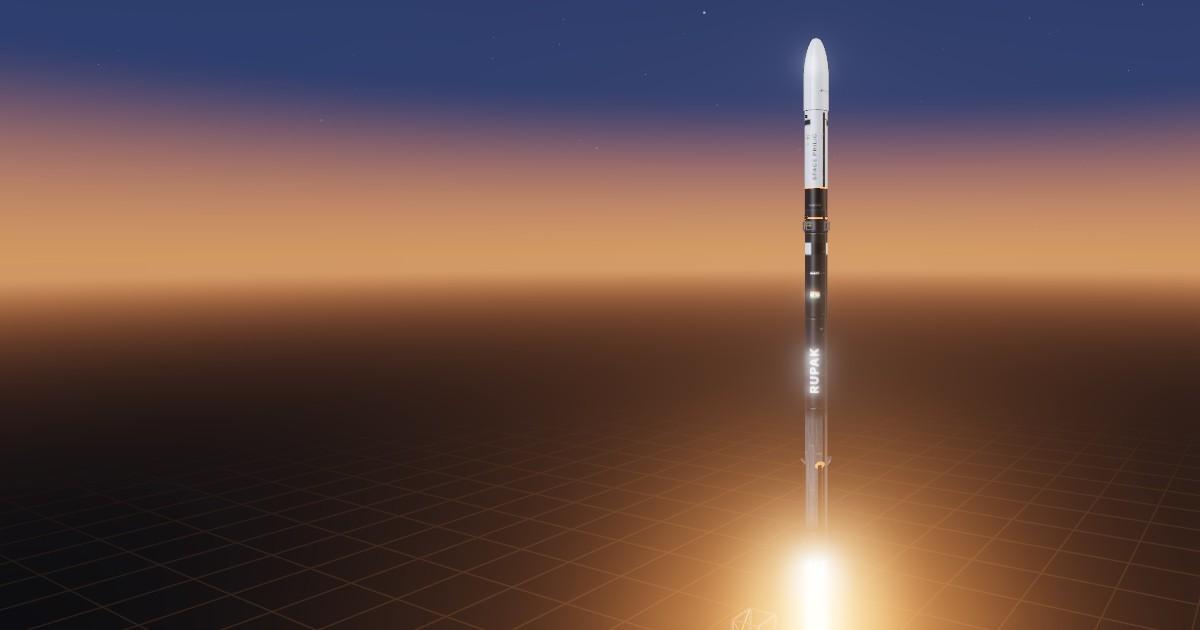
Space Philic is developing RUPAK in Kanpur, India, for payloads of up to 250 kg to low Earth orbit. The upper stage carries the payload onward, while the booster is designed to return for another flight.
Prepare a mission enquiryVehicle design
Nine electric-pump-fed Shakti engines power the first stage. After separation, the carbon-fibre booster is designed to restart its centre engine and deploy its landing legs.
See stage separation in the mission simulation| Length | 28 m |
|---|---|
| Diameter | 1.2 m |
| Payload to LEO | 250 kg |
| Liftoff thrust | 288 kN |
| First stage | Reusable · landing legs |
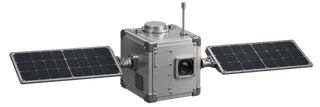
Which payload platform fits your mission?
What to include in a mission enquiry
A short brief helps the team assess whether RUPAK’s planned capabilities fit your mission.
- Payload. Describe the spacecraft or experiment and its estimated mass. If the mass is still open, select “Not sure yet” on the form.
- Orbit. Describe where the payload needs to operate. Include your target altitude and inclination if you know them.
- Timing. Give your preferred launch window and distinguish firm deadlines from flexible dates.