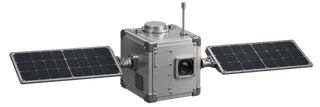
Commercial
Up to 250 kg to LEO for small and micro-satellites, with standard deployment interfaces and precise injection.
RUPAK · Reusable Launch Vehicle
Space Philic is building RUPAK, a small-satellite launcher designed to put 250 kg into low Earth orbit and then land, so the same booster can fly again.
02Propulsion
Shakti is a bi-propellant engine fed by electric pumps for clean, predictable control. Parts are made by SLM additive manufacturing, so the engine has fewer parts, less mass and simpler production.
Nine engines on the first stage give it built-in redundancy.
03Vehicle
RUPAK is a two-stage rocket for reliable, low-cost access to low Earth orbit. The carbon-fibre booster carries retractable landing legs so it can come back after every flight.
| Length | 28 m |
|---|---|
| Diameter | 1.2 m |
| Payload to LEO | 250 kg |
| Liftoff thrust | 288 kN |
| First stage | Reusable · landing legs |
04Staging
At main engine cut-off the booster separates and the upper stage lights to carry the payload the rest of the way to orbit. The booster turns around and starts the trip home.
05Payload platforms
Up to 250 kg to LEO for small and micro-satellites, with standard deployment interfaces and precise injection.
Long-endurance flights that carry several independent experiments in orbit and send data back in real time. For research, materials testing and biology.
A fully integrated launch service designed to put defence payloads in orbit within a 24-hour window.
06Reusability
The booster deploys its landing legs, restarts its centre engine and touches down. It is then refurbished and flown again. Building fewer boosters brings down the cost of every kilogram we launch.
Partners & supporters
08Team
09Mission enquiries
Tell us about your payload, target orbit and timeline. Let's explore how RUPAK could support your mission.
Call our team